
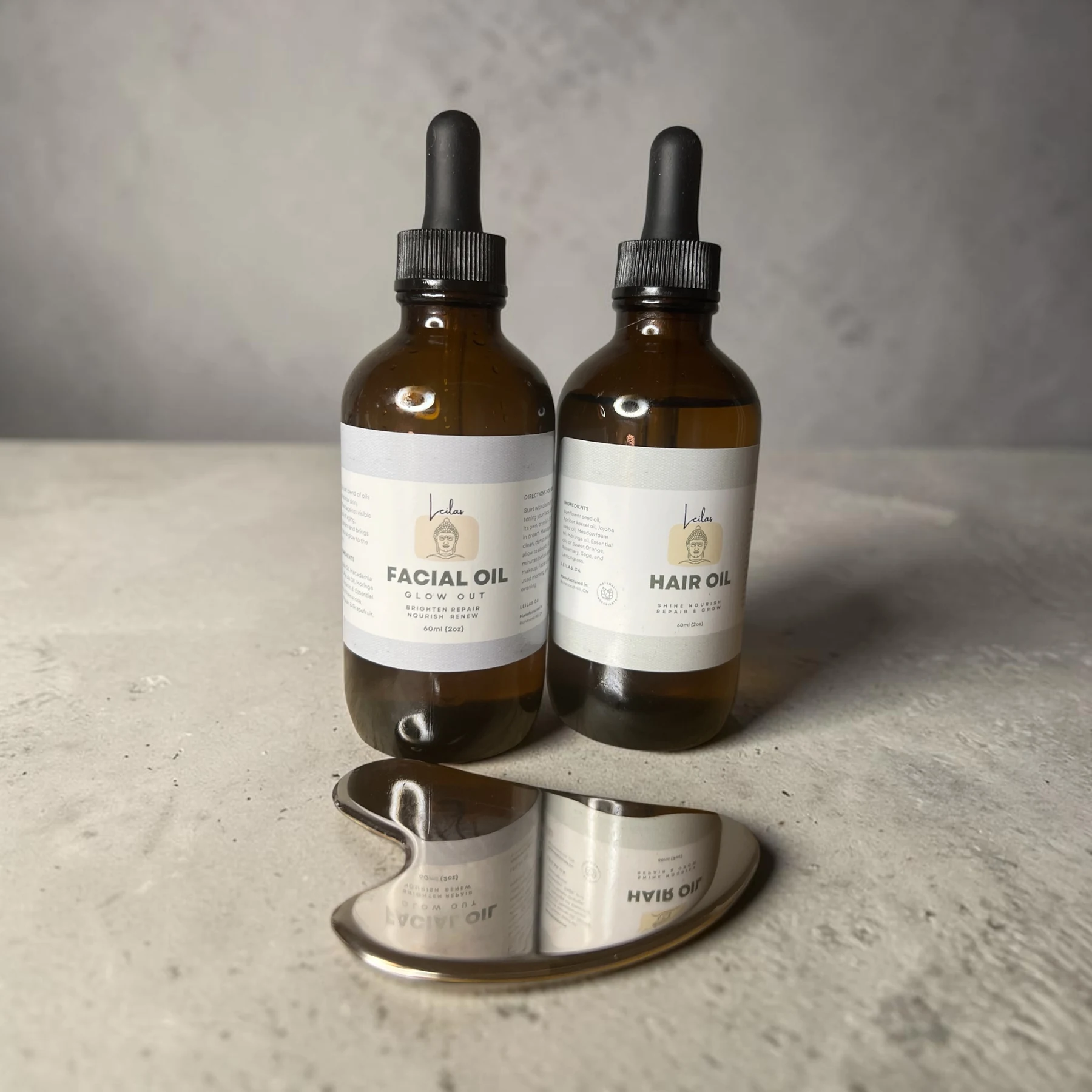
If your skin feels tight after cleansing, flakes in patches, or looks dull by mid-afternoon, a facial oil is one of the kindest things you can add to your routine. It won't fix everything, and it isn't magic. But used the right way, a good oil makes dry skin feel comfortable again, and keeps it that way for longer. Here's how to choose one and how to use it.
Why dry skin loves a facial oil
Dry skin is short on oil. Its own barrier doesn't hold moisture as well as it could, so water escapes quickly and the skin feels tight and looks flaky. A facial oil helps in two plain ways. It softens the surface so skin feels smoother right away, and it slows how fast moisture leaves, so that comfort lasts. Nothing about that is complicated, which is part of why oils have been a staple of skincare for a very long time.
Dry skin or dehydrated skin? They're not the same
This trips up a lot of people, so it's worth thirty seconds. Dry skin lacks oil. It tends to feel tight and flaky most of the time, whatever the weather. Dehydrated skin lacks water, and it can happen to anyone, even oily skin, usually after travel, sun, or a long winter indoors.
A face oil speaks most directly to dry skin. But it also helps dehydrated skin, because applying oil over damp skin holds water in. That's the small trick worth remembering: an oil works best sealing in moisture, not standing in for it.
An honest note on claims
We talk about how skin looks and feels: softer, less tight, less flaky. We don't make medical claims, and a facial oil isn't a treatment for a skin condition. If your skin is very dry, cracked or irritated, it's worth speaking to a doctor or dermatologist. Always patch test a new product first.
What to look for in a face oil for dry skin
Not every oil suits dry skin equally. Lighter oils are lovely for balance, but dry skin usually wants a little more cushion. Look for a blend that leans on richer, more emollient oils, with a lighter one in the mix so it still absorbs well:
- Marula, for a soft, cushioning feel that sinks in without sitting heavy.
- Macadamia, a rich, nourishing oil that dry skin tends to drink up.
- Moringa, prized for conditioning and a smooth finish.
- Avocado, deeply emollient, a classic for skin that feels parched.
- Jojoba, lighter and balancing, which keeps the whole blend wearable rather than greasy. (More on it in our jojoba oil guide.)
A blend usually beats a single oil for dry skin, because you get the richness of the heavier oils and the easy texture of the lighter ones in the same few drops.
Dry skin rarely needs more products. It needs the right two, used in the right order.
How to use a face oil for dry skin
Order matters more than quantity. The goal is to give your skin water first, then trap it with oil.
- Cleanse gently. Harsh, stripping cleansers make dry skin worse. Pat your face so it stays slightly damp.
- Add water. Press in a hydrating toner or a water-based serum while skin is still moist. This is the step dry skin most often skips, and the one it needs most.
- Warm a few drops of facial oil between your fingertips, three or four to start.
- Press it in over the damp toner, across your face and neck. Pressing rather than rubbing helps it settle and seals the water underneath.
- Morning: finish with sunscreen. Oil goes under SPF, never in place of it.
For very dry skin, you can use an oil morning and night. In winter, a second thin layer at bedtime is a small kindness your skin will notice.
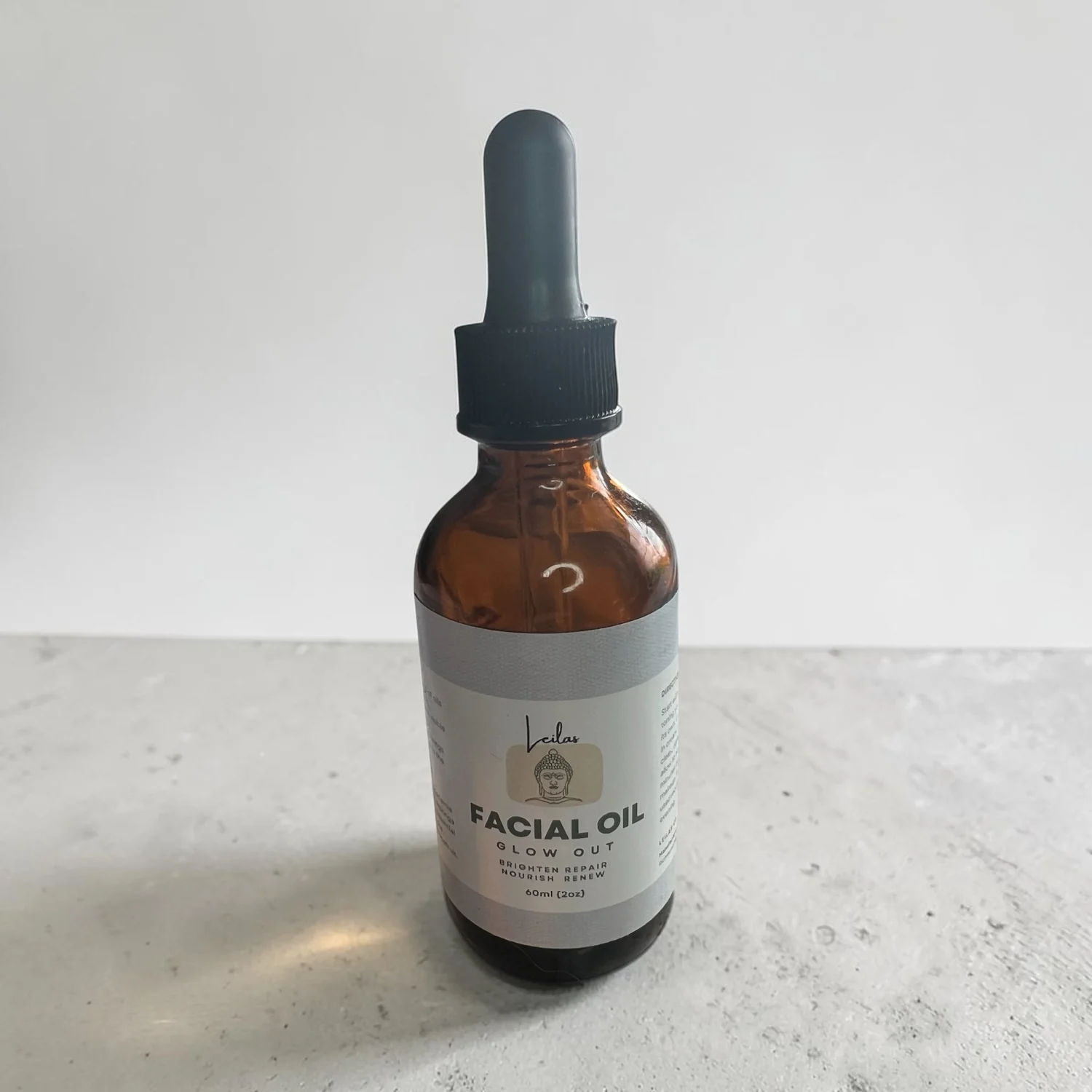
Glow Out Facial Oil
Our facial oil blends cushioning marula, macadamia and moringa with lighter jojoba and vitamin E, so it feels rich enough for dry skin but still sinks in. Blended by hand in small batches in Markham, Ontario. From $28.
Shop the facial oil →Small things that make a big difference
- Don't skip the water step. Oil on bone-dry skin just sits there. Oil over a hydrating layer is where the comfort comes from. A botanical toner is an easy way to add that step.
- Exfoliate gently, now and then. A soft build-up of dead skin can stop oil from absorbing. A gentle exfoliant once or twice a week helps, as long as you don't overdo it.
- Mind the environment. Indoor heating, long hot showers and cold wind all pull moisture from the skin. A humidifier in winter earns its keep.
- Give it a couple of weeks. Skin settles into a new routine slowly. Judge an oil after two weeks of steady use, not two days.
So, which oil should you choose?
For dry skin, choose a blend built around richer plant oils, balanced with a lighter one so it still wears comfortably, and pair it with a hydrating step underneath. Read the ingredient list, look for oils you recognise near the top, and trust a maker who tells you plainly what's inside. If you want more on how to read those labels, our guide on natural vs. organic skincare walks through it.
Everything we make is blended by hand from plant oils and botanical actives, the slow way, in small batches. Dry skin, in our experience, responds best to exactly that kind of care, which is how we blend our facial oil for dry skin.