Walk down any beauty aisle, or scroll any skincare shop, and a product will tell you it's natural, organic, clean, non-toxic and chemical-free, sometimes all at once. It sounds reassuring. The trouble is that most of those words mean very different things, and a few of them aren't regulated at all. Here's a plain guide to what they mean in Canada, so you can decide what actually matters to you.
The quick version
| Term | What it usually means | Regulated? |
|---|---|---|
| Natural | Ingredients derived from plants or minerals rather than made synthetically | Loosely — the word itself isn't tightly defined |
| Organic | Ingredients farmed without most synthetic pesticides & fertilizers | Only when certified by a third party (COSMOS, Ecocert, USDA) |
| Clean | Usually "made without" a list of ingredients the brand chooses to avoid | No — a marketing term |
| Chemical-free | Nothing, really — everything is made of chemicals | No — and technically impossible |
| Cruelty-free | Not tested on animals | Backed by third-party programs (e.g. Leaping Bunny) |
"Natural": helpful, but soft
When most people say natural skincare, they mean products built around plant oils, butters, and botanical extracts rather than synthetic ingredients. That's a perfectly reasonable thing to want. But "natural" on its own isn't a tightly regulated claim, so the honest way to judge it is to look past the word and read the ingredient list. A genuinely natural product will show it: recognisable plant oils and extracts, high up the list, with little you can't pronounce.
"Organic": a real thing with a specific meaning
Organic is more specific: it describes how the plant ingredients were farmed, without most synthetic pesticides and fertilizers. The important nuance for Canadian shoppers is this: there's no single mandatory government "organic cosmetics" seal the way there is for food. Organic claims on skincare are typically verified by voluntary third-party certifications such as COSMOS, Ecocert, or USDA Organic, each with its own standard for what share of ingredients must be organic.
So the word "organic" printed on a jar isn't the same as a certified organic product. If a brand has done the certification, they'll usually show the certifier's mark. If they haven't, they shouldn't call themselves "certified organic."
Where we stand, plainly
We describe our skincare as natural and plant-based, and we don't call it "certified organic," because we haven't gone through organic certification. We'd rather be accurate than borrow a word we haven't earned. Everything is blended by hand in small batches from botanical oils and plant-based actives, with short, readable ingredient lists.
You can tell a fair amount about a brand from the claims it's willing to make, and the ones it deliberately doesn't.
The "chemical-free" myth
This one is worth correcting, because it's everywhere. Nothing is chemical-free. Water is a chemical. So is the vitamin E and the jojoba in a lovely natural facial oil. "Chemical" doesn't mean "harmful," and "natural" doesn't automatically mean "safe" either. Poison ivy is natural too. A better question than "chemical or not" is a simple one: which ingredients, and what did they leave out?
"Clean beauty": unregulated, but not useless
"Clean" has no legal definition, so it means whatever each brand decides. Usually it's shorthand for a "made without" list: for example, made without synthetic fragrance, parabens, or added dyes. That can be genuinely useful information, as long as the brand tells you exactly what they leave out rather than just waving the word around.
How to actually read a skincare label
Forget the front of the package for a moment. The truth is on the back, in the ingredient list. Here's how to read one:
- Order matters. Ingredients are listed by INCI name from the highest concentration to the lowest. The first few make up the bulk of the product.
- Look near the top. In a good facial oil, that means recognisable plant oils like jojoba, macadamia and marula near the top, not fillers.
- Shorter is often better for a natural product. A long list of unpronounceable additives is a fair thing to question.
- Fragrance should be disclosed. "Parfum/fragrance" can hide a lot; essential oils, by contrast, are usually named individually.
- Certifications show themselves. A true organic or cruelty-free claim usually carries the certifier's logo.
So: natural or organic? What should you actually look for?
If your goal is skincare made largely from plants, blended thoughtfully and labelled honestly, then the word on the front matters far less than four things:
- A readable ingredient list led by plant oils and botanicals.
- Honest language, with no "miracle," no "cure," and no claims a cosmetic can't make.
- Small-batch care, so the product is fresh and made in quantities that get used.
- A maker who'll tell you plainly what's inside, and what isn't.
Natural, plant-based skincare
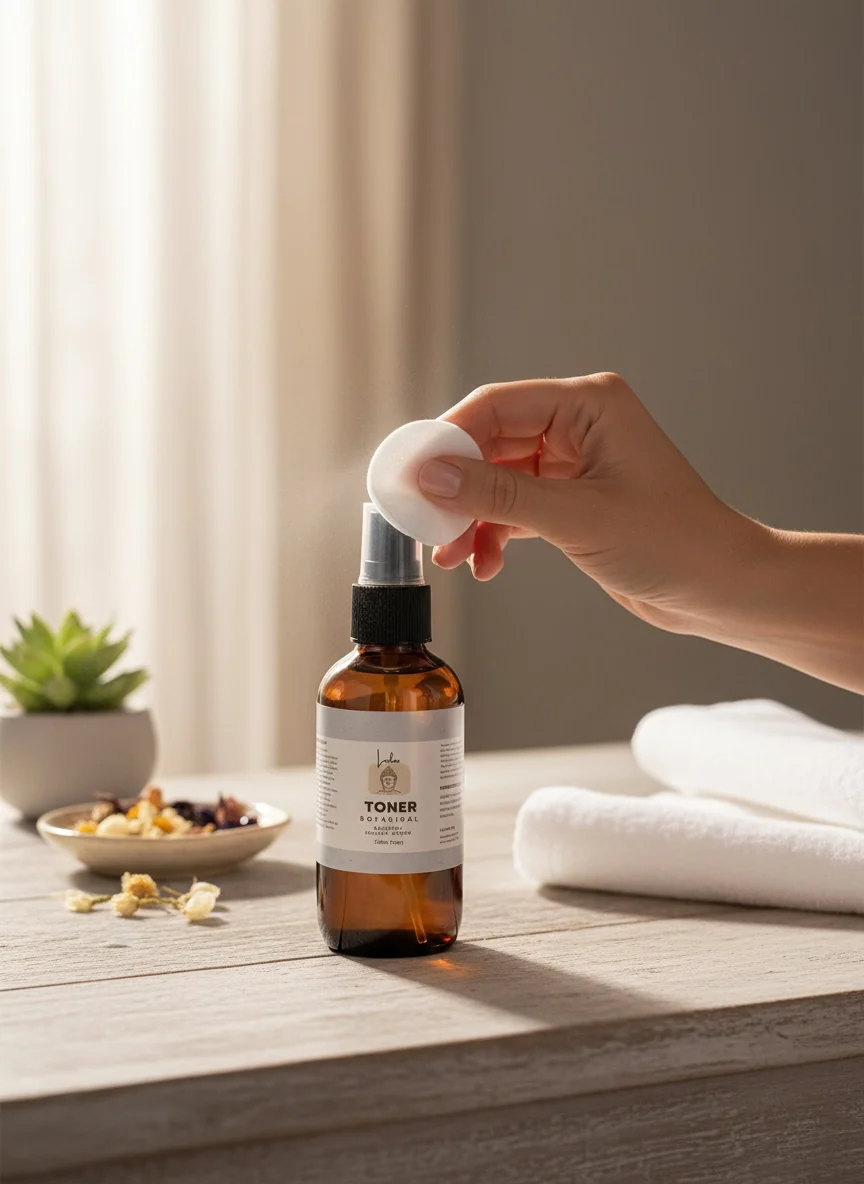
Facial oils, hair oil, a botanical toner, an exfoliant and natural soaps — all blended by hand in small batches in Markham, Ontario, with short, honest ingredient lists. Free shipping across Canada over $100.
Shop the collection →None of this is a knock on organic. Certification is a real commitment, and we admire the makers who go through it. We just want you to be able to read a label yourself, so a single word on the front never has to do your thinking for you.