
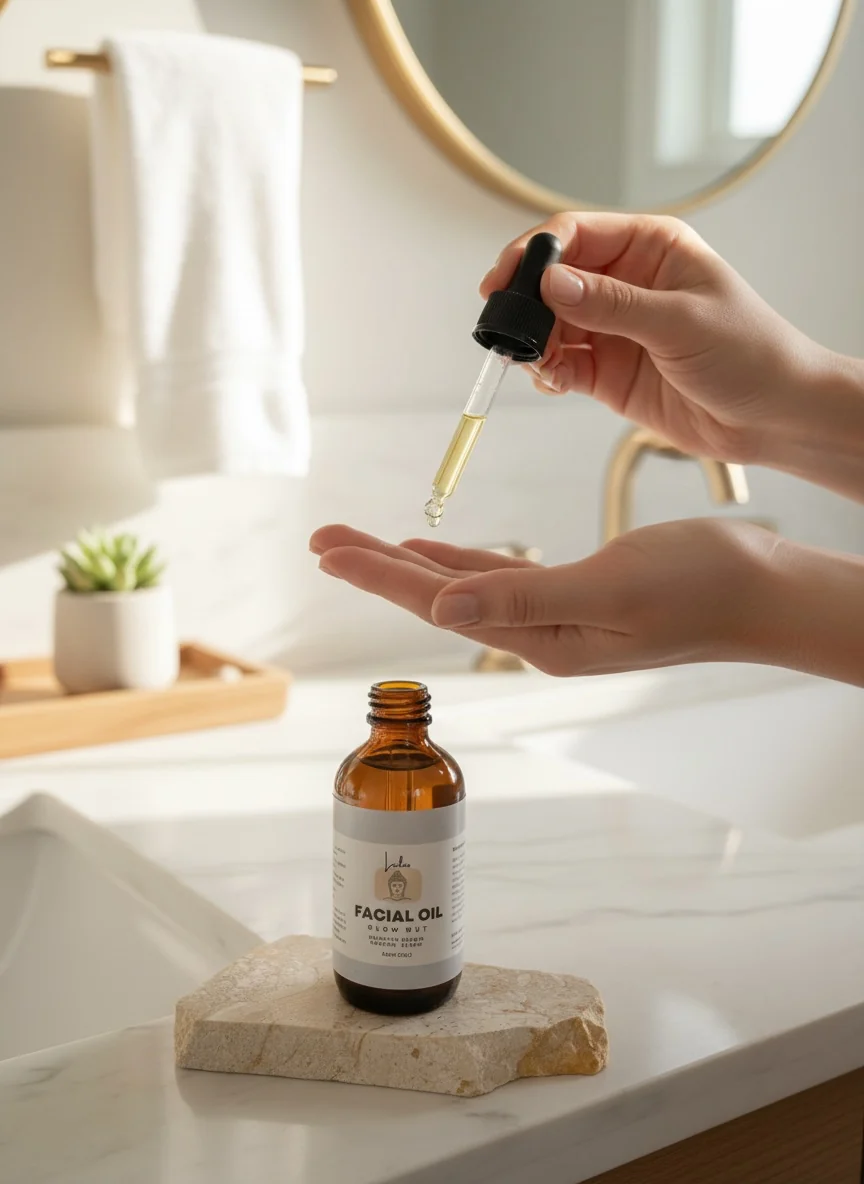
If you've read many skincare labels, you've seen jojoba on a lot of them. There's a reason it turns up so often. It's one of the few plant oils that behaves almost like the oil your own skin makes, so it's easy to wear and forgiving on most skin. Below is what it does, who it tends to suit, and how to actually use it.
What is jojoba oil, really?
Jojoba (pronounced ho-HO-ba) comes from the seed of a hardy desert shrub. Technically it isn't an oil at all. It's a liquid wax ester, and that small distinction is the reason it's so loved in skincare. The wax esters in jojoba closely resemble sebum, the oil your own skin produces. Because it's so close to something your skin already makes, jojoba tends to absorb cleanly and sit comfortably instead of feeling heavy or greasy.
It's also naturally stable, so it keeps well without turning. That's a real advantage in a small-batch product blended without synthetic preservatives.
Is jojoba oil good for your face?
For most people, yes, and it's one of the safer places to start if you're new to facial oils. Its light, sebum-like texture is the reason it suits such a wide range of skin, from dry to combination to oily. Here's what it's known for in a cosmetic routine:
- Lightweight moisture. It softens and conditions the skin without the tacky, over-rich feeling heavier oils can leave.
- A balancing feel. Because it mimics your skin's own oil, many people find their skin feels more comfortable and less "tight", a favourite quality for combination skin.
- Plays well with oilier skin. Where richer oils can feel like too much, jojoba's breathable texture is often the one oilier and blemish-prone skin gets along with.
- A smooth base for massage. Its slip makes it ideal for a few minutes of facial massage or gua sha in the evening.
An honest note on claims
We talk about how ingredients feel and behave on the skin — softening, conditioning, brightening the look of your complexion. We don't make medical claims. Skincare is for external cosmetic care, not for treating any condition, and results vary from person to person.
The best oil is usually the one you stop thinking about, because it just feels comfortable on.
Who is jojoba oil best for?
Jojoba is unusually democratic. That said, here's a rough guide:
- Oily & combination skin: often the standout choice, because it's the least likely facial oil to feel heavy.
- Normal skin: a reliable everyday conditioning oil, morning or night.
- Dry skin: lovely, though drier skin usually likes jojoba blended with richer oils (more on that below) for extra cushion.
- Sensitive skin: generally well tolerated, but sensitive skin should always patch test a new product first.
How to use jojoba oil on your face
Facial oil is one of the easiest steps to get right, because the rule is simple: go last, go light.
A simple routine
- Cleanse and gently pat your skin so it's still slightly damp.
- Apply any water-based serums (like a hydrating toner) first.
- Warm 2–4 drops of facial oil between your fingertips.
- Press it into your face and neck rather than rubbing. Pressing helps it settle without disturbing what's underneath.
- In the morning, follow with sunscreen. Oils go under SPF, never instead of it.
With gua sha or facial massage
Oil's slip makes it the perfect medium for a slow evening massage. Apply a few extra drops, then use a gua sha stone or just your knuckles to work gently upward and outward for two or three minutes. It's as much a ritual as a skincare step, the calm, kitchen-table way of doing things.
Jojoba vs. other facial oils
You'll often see jojoba compared to a few other favourites. In short:
- Jojoba: the light, balancing all-rounder; best texture for oilier skin.
- Argan: richer and more emollient; a comfort pick for drier skin.
- Rosehip: prized for the look of brightness and even tone.
- Marula & macadamia: cushioning, nourishing oils that add softness.
Most guides skip the obvious part: you rarely have to choose. A good blend uses several oils together, so the light ones balance the rich ones. Jojoba brings the easy texture; the others add cushion and a bit of glow. That's how we think about a facial oil.
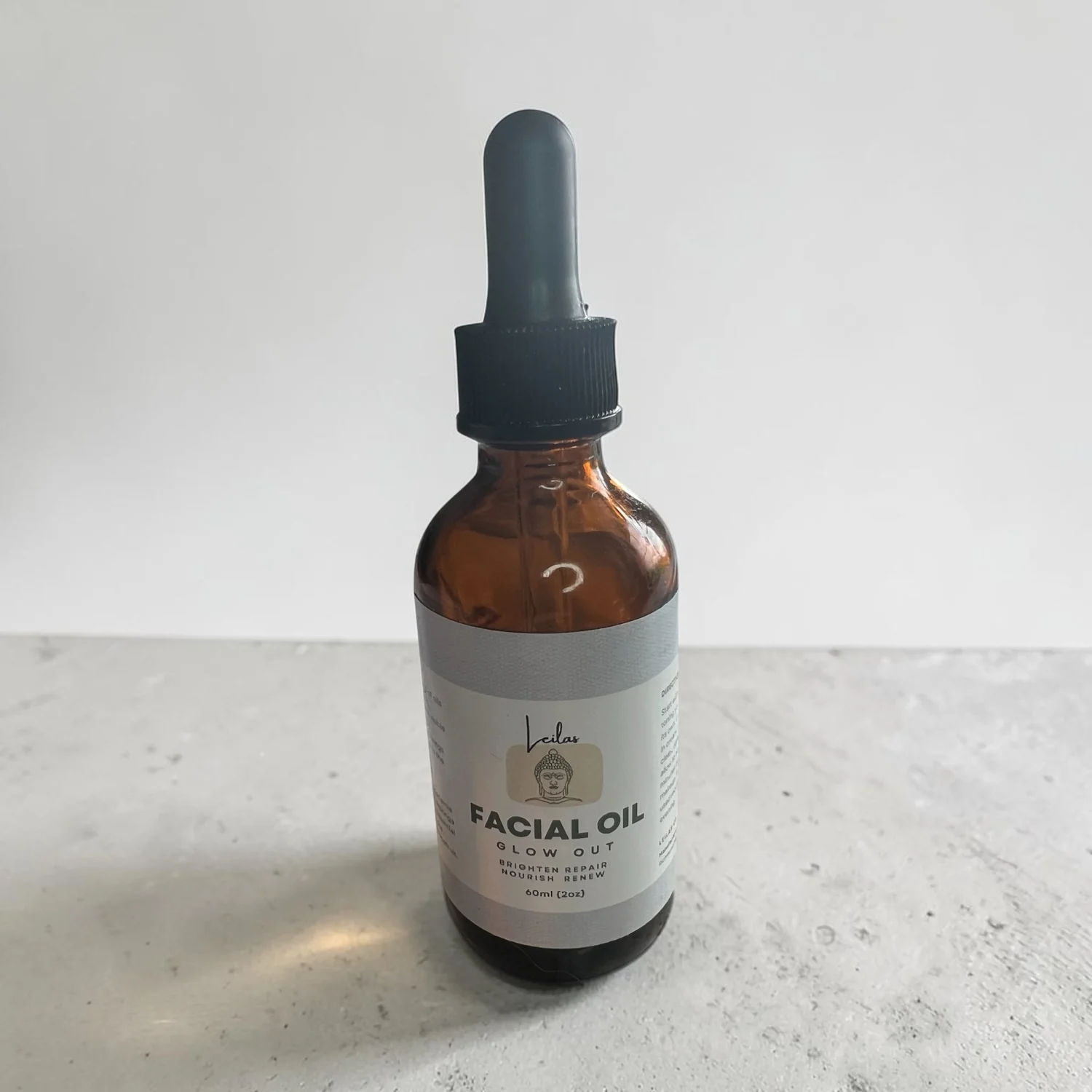
Glow Out Facial Oil
Our small-batch facial oil blends jojoba with macadamia, marula and moringa oils, vitamin E and gentle essential oils, light enough for daily use and nourishing enough to glow. Blended by hand in Markham, Ontario. From $28.
Shop the facial oil →How to choose a good jojoba oil
Not all oils are equal. A few things worth looking for:
- Cold-pressed where possible, so gentler processing keeps the oil closer to its natural state.
- Small batches, so the oil is fresher and blended in quantities that get used before they age.
- A short, readable ingredient list, where you recognise most of what's on it.
- Honest labelling, from a maker who tells you plainly what's inside and doesn't reach for words like "miracle" or "cure."
That last point matters more than any single ingredient. Everything we make is blended by hand from plant oils and botanical actives, the same slow way it's been done in our family for three generations.